
Urbanization and Housing Demand Trends
Cities are growing faster than ever. More people moving to urban centers means more pressure on housing markets. We’ll explore how urbanization drives demand, reshapes prices, and creates real opportunities for both buyers and policymakers.
Understanding Urban Migration and Housing Markets
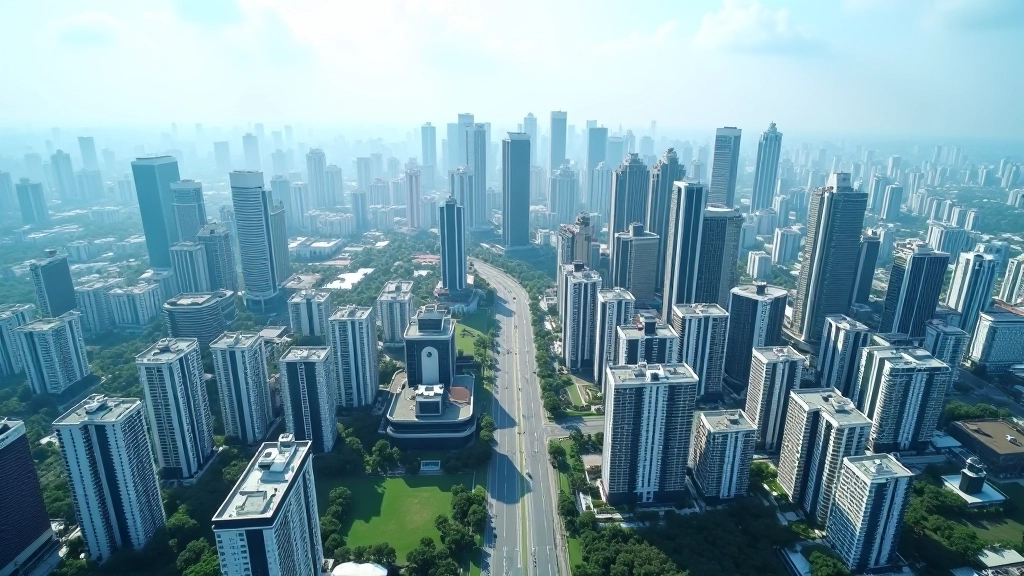
Migration to cities isn’t new, but the scale is unprecedented. Between 2015 and 2025, Malaysia’s urban population grew from 75% to over 82% of the total population. That’s millions of people looking for somewhere to live in spaces that weren’t built for them.
This migration creates a fundamental mismatch: demand for housing in cities rises faster than supply can keep up. You’ve probably noticed this yourself — whether it’s rental prices climbing or property values in your area jumping by 10-15% annually. It’s not random. It’s urbanization at work, and understanding how it works helps you navigate the housing market more effectively.
What’s Actually Driving Urban Housing Demand
Several forces push people toward cities, and each one creates housing pressure:
Job Concentration
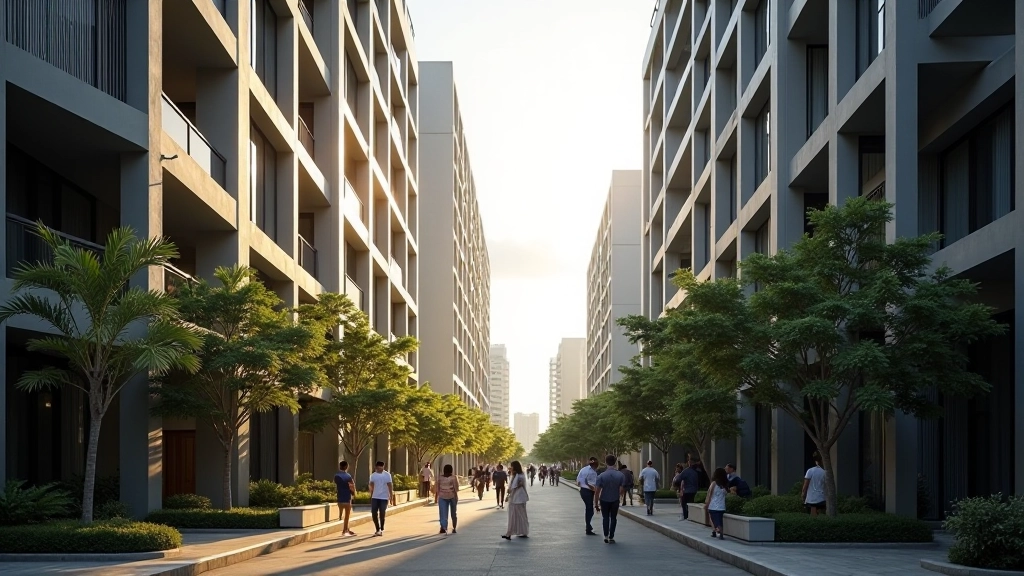
About 70% of Malaysia’s jobs are in cities like Kuala Lumpur, Penang, and Johor Bahru. If you want better income opportunities, you’re moving to where the jobs are. Manufacturing, tech, services — they’re clustered in urban areas, pulling workers with them.
Education Access
Universities, vocational schools, and better-performing secondary schools concentrate in cities. Families with school-age children move to access quality education. That’s immediate housing demand right there.
Better Infrastructure
Cities have better public transport, healthcare, utilities, and digital connectivity. Once you experience reliable infrastructure, it’s hard to move back to areas without it.


How Demand Translates Into Market Pressure
Here’s where the math gets real. When 500,000 people move to Kuala Lumpur over a 5-year period, you’re not looking at 500,000 new housing units being built. You’re looking at maybe 200,000-250,000. That shortage drives prices up.
In Petaling Jaya, median property prices increased from RM450,000 in 2019 to over RM650,000 by 2024. That’s not because the houses got better. It’s supply and demand working against renters and first-time buyers. Competition intensifies. Landlords can be more selective. Developers prioritize higher-margin projects over affordable units.
The price-to-income ratio — how many years of income you need to buy a home — has climbed significantly. In 2015, it was around 4.5 years in Kuala Lumpur. By 2024, it’d reached 6.8 years. That’s not just a number on a spreadsheet. That’s a real barrier for families trying to buy their first home.
How Markets and Policies Are Responding
Vertical Development
Cities can’t expand outward forever. Instead, developers build up. High-rise residential towers in Kuala Lumpur and George Town pack more housing into the same footprint. It’s not perfect — tower blocks don’t work for everyone — but it’s how cities house more people.
Affordable Housing Programs
PR1MA and Rumah Mampu Milik programmes aim to increase supply at prices ordinary families can afford. PR1MA targets households earning RM3,000-RM10,000 monthly. Rumah Mampu Milik focuses on even lower income brackets. They’re not solving the whole problem, but they’re helping thousands of families get into homeownership.
Satellite City Development
Places like Cyberjaya, Putrajaya, and Bandar Utama grew as alternatives to central Kuala Lumpur. They’re still urban, but cheaper. Transit connections and remote work options make living 30-40km from the city center more practical than it was a decade ago.
What This Means for You
Urbanization and housing demand create both challenges and opportunities:
For Buyers
Rising prices make entry difficult, but understanding these trends helps you identify emerging areas before they get expensive. Satellite cities and areas with planned transit often appreciate steadily without the premium pricing of established neighborhoods.
For Investors
Long-term housing demand is reliable. Cities continue attracting people. Properties in growth corridors — near transit, jobs, education — tend to appreciate. Rental income stays strong where demand is high.
For Renters
Competition for rentals is real, but understanding where demand concentrates helps you negotiate better terms. Newer buildings with more supply often offer competitive rates compared to older stock.
The Bigger Picture
Urbanization isn’t slowing down. By 2035, over 87% of Malaysia’s population will live in urban areas. That migration will continue reshaping housing markets — creating scarcity in some places, opportunity in others, and constant pressure on affordability.
The key isn’t fighting urbanization. It’s understanding it. When you grasp why prices rise, where demand concentrates, and how policies respond, you’re better equipped to make housing decisions that work for your situation — whether you’re buying, renting, or investing.
Monitor emerging areas with planned infrastructure. Track price-to-income ratios in your target neighborhoods. Stay informed about government housing programmes. These aren’t just academic exercises — they’re tools that help you navigate an increasingly complex housing market.
Disclaimer
This article provides educational information about urbanization and housing market trends in Malaysia. It’s not investment advice, financial advice, or professional property consultation. Housing markets are complex and influenced by many factors — economic conditions, interest rates, government policies, and local circumstances all play roles that vary by situation.
Before making housing decisions, consult with qualified professionals including financial advisors, property agents, and legal experts who understand your specific circumstances. Market conditions change regularly, and data presented here reflects information available at the time of publication.
Related Articles